Spinal Stenosis Treatment
Spinal stenosis is a narrowing of the spaces within the spine that puts pressure on the nerves running through it, most often in the lower back or neck. If you’re living with it, you’ll probably recognise the pattern: aching or heaviness in the legs that gets worse the longer you stand or walk, often easing when you sit down or lean forward.
What Causes Spinal Stenosis?
For many people, spinal stenosis develops gradually as the discs and joints in the spine wear down with age, leaving less room for the nerves passing through. Others notice it appearing after an old back injury or alongside arthritis in the spine. It shares a lot of its symptoms with sciatica, which is why an accurate diagnosis matters before treatment begins. Because the narrowing tends to build slowly, many people put the aching down to getting older for months before seeking help.

Our Treatment for Spinal Stenosis
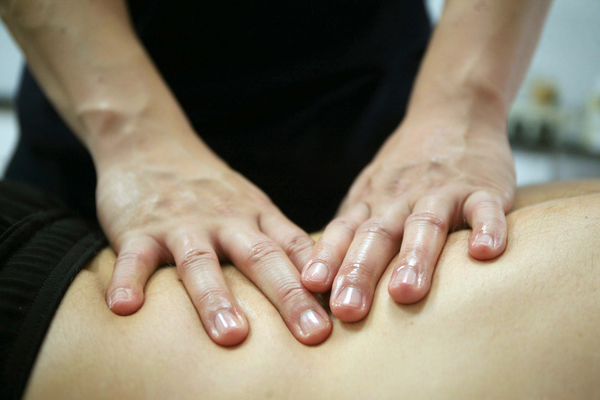
At your initial assessment, one of our physiotherapists will assess how the stenosis is affecting your movement and work out which positions and activities are provoking your symptoms. Treatment usually combines manual therapy and specific flexion-based exercises to open up space around the nerves, alongside core strengthening to support the spine and reduce strain as you move. Physiotherapy is typically the first line of treatment for spinal stenosis, helping to ease pressure on the nerves and keep you mobile without surgery. Massage therapy can help with the muscle tightness that often builds up around the lower back as you compensate for the discomfort, and once your symptoms have settled, sports therapy can support a safe return to walking longer distances or getting back into regular exercise.
Most people find their symptoms ease within several weeks of consistent treatment, though because spinal stenosis is a structural change in the spine, ongoing exercise plays a big part in keeping it under control long term
Why Choose True Physio?
Expert Physiotherapy Team
All of our Physiotherapists are registered with the Health and Care Professions Council (HCPC), which means that they fulfil the highest standards of practice required by law. They are also a part of the Chartered Society of Physiotherapy (CSP), demonstrating our commitment to delivering outstanding expertise.
Initial Assessment
At your initial assessment at True Physio, we will find out where your pain comes from and what your goal is before forming a plan to help you achieve that. Our clinicians will take the time to understand your condition, do a detailed assessment, and explain to you the nature of the problem you have. Treatment plans are created with your lifestyle in mind.
“Had a severe pain down my left leg. Paige gave me a thorough examination, diagnosed it as sciatica, explained causes and came up with a plan of action. This involved exercises, initially working on flexing and later strengthening. Also a course of massages. 6 weeks later, I have just started jogging again. Delighted.” John Glenn – True Physio Blackburn
Book your appointment now or contact your nearest True Physio clinic to discuss how we can help you.