Piriformis Syndrome
Piriformis syndrome is buttock pain caused when the piriformis, a small muscle deep in the hip, irritates the nearby sciatic nerve. Most cases improve within a few weeks to a few months with stretching, strengthening and changes to activity. See a physio if buttock or leg pain lasts more than two weeks or is affecting sleep, sitting or exercise.
A long drive or a day at your desk can leave you shifting from side to side, with a deep ache in one buttock that sometimes travels down the leg. It’s often mistaken for sciatica coming from the spine, so getting the right diagnosis matters. The two can feel very similar, but they need slightly different treatment plans
Book in if pain hasn’t eased after a couple of weeks, keeps returning or stops you sitting or exercising comfortably. Seek urgent medical help if you notice numbness around the groin, changes in bladder or bowel control, or weakness in both legs, as these need same-day assessment.

Our Treatment for Piriformis Syndrome
What causes piriformis syndrome and how does it feel?
The piriformis helps rotate and stabilise the hip. When it becomes tight, overworked or goes into spasm, it can press on the sciatic nerve, which runs beneath or sometimes through the muscle. Runners, cyclists and people who sit for long periods of time are commonly affected, and weak glutes or a fall onto the buttock can also set it off.
Typical symptoms include:
- A deep ache in one buttock
- Pain, tingling or numbness down the back of the thigh
- Pain that worsens with sitting, climbing stairs or running
- Tenderness when pressing into the buttock
How is piriformis syndrome treated?
Your physio will first rule out the lower back as the source, then assess your hip strength, flexibility and movement. Physiotherapy usually involves targeted stretching, nerve gliding exercises and strengthening for the glutes and core, along with advice on sitting posture and training load.
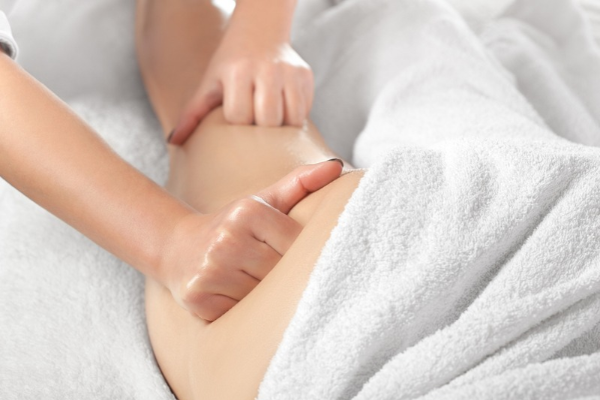
Massage therapy can be particularly helpful for releasing tension in the deep hip muscles, and acupuncture may be offered to relieve pain. Once symptoms settle, sports therapy helps rebuild strength and refine your running or cycling technique so the pain is less likely to return. Small changes, like regular breaks from sitting, make a big difference between appointments.
Why Choose True Physio?
Expert Physiotherapy Team
All of our Physiotherapists are registered with the Health and Care Professions Council (HCPC), which means that they fulfil the highest standards of practice required by law. They are also a part of the Chartered Society of Physiotherapy (CSP), demonstrating our commitment to delivering outstanding expertise.
Initial Assessment
At your initial assessment at True Physio, we will find out where your pain comes from and what your goal is before forming a plan to help you achieve that. Our clinicians will take the time to understand your condition, do a detailed assessment, and explain to you the nature of the problem you have. Treatment plans are created with your lifestyle in mind.
Book your appointment now or contact your nearest True Physio clinic to discuss how we can help you.
Frequently Asked Questions
How long does piriformis syndrome take to heal?
Mild cases often ease within a few weeks of stretching and activity changes. Longer-standing pain can take two to three months of consistent strengthening to settle fully.
Is piriformis syndrome the same as sciatica?
Both can cause pain down the back of the leg. Sciatica usually comes from the lower back, while piriformis pain starts deep in the buttock muscle, so the treatment focus differs.
Should I stop running with buttock pain?
You may not need to stop completely. Cutting back distance, hills and speed work while you strengthen the hip often helps. Your physio can set a safe level for you.