Sacroiliac Joint Dysfunction
Treatment
If you’ve been told you have sacroiliac joint dysfunction, you might be wondering what that even means and why such a small joint is causing so much trouble.
Your sacroiliac joints, you have one on each side, where your sacrum meets your pelvis are designed to be relatively stable, allowing only small amounts of movement. But when these joints become too stiff or too mobile, or when the surrounding ligaments and muscles aren’t providing adequate support, pain develops. It often feels like a deep ache that’s hard to pinpoint exactly, and it can really affect your ability to walk, stand for long periods, or even sit comfortably.
The condition is particularly common in pregnant women (those hormones loosen the ligaments), people with leg length differences, and anyone with lower back instability. Getting appropriate sacroiliac joint dysfunction treatment makes a genuine difference to your symptoms and function. At True Physio, our physiotherapists are skilled at diagnosing and treating SIJ problems, understanding the specific techniques and exercises that address this often-misunderstood source of lower back pain.
Book Now

Understanding the Cause of your Pain
Your treatment starts with determining whether your SIJ is too stiff or too mobile, the approach differs depending on what’s happening. Your physiotherapist will perform specific tests to assess the joint’s movement and identify any contributing factors like muscle imbalances, pelvic asymmetry, or compensatory patterns from other injuries. Once we understand what’s driving your pain, we can target it effectively.
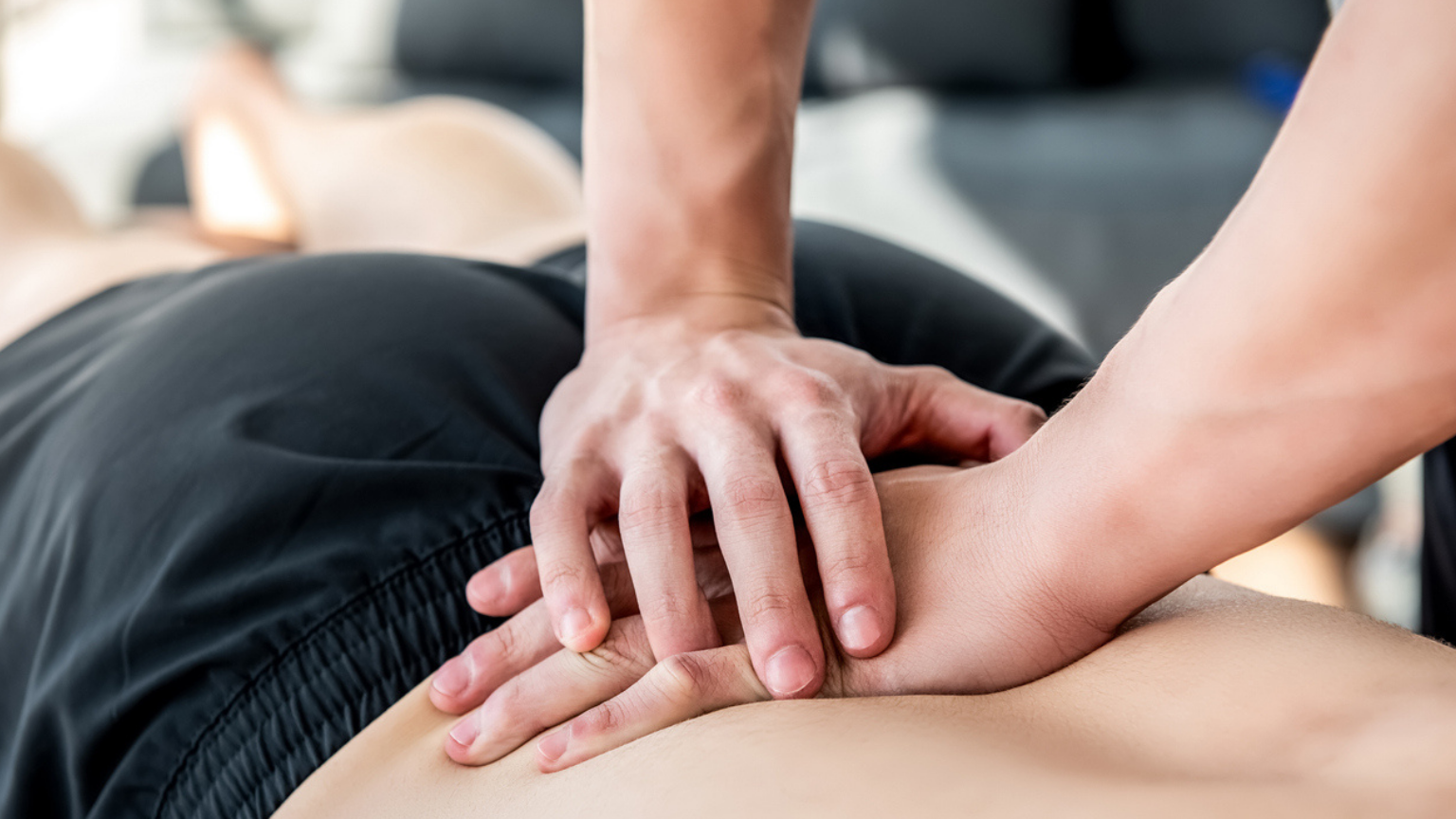
We use specialised manual therapy techniques to mobilise stiff joints or stabilise hypermobile ones. These hands on treatments can provide immediate relief, though the real magic happens with the exercise program. You’ll learn specific strengthening exercises for your core, glutes, and hip muscles that provide better support for your SIJ. Think of it as building a protective scaffolding around the joint. We also address any leg length discrepancy or foot mechanics issues that might be contributing to asymmetrical forces through your pelvis.
Acupuncture offers excellent pain relief for stubborn SIJ pain that’s affecting your sleep and daily function. Massage therapy helps release tension in the muscles around your pelvis and lower back that often become tight and painful as they compensate for the joint dysfunction. Some people benefit from Pilates for developing the deep core stability that supports pelvic alignment long-term. Where pain is particularly persistent and limiting, steroid injection therapy can be a valuable option — reducing inflammation within the joint and creating a window of relief that allows your rehabilitation to progress more effectively. We might also recommend an SIJ belt for temporary support during the initial treatment phase, particularly if you need to stay active for work.
Why Choose True Physio for Recovery?
Recovery from sacroiliac joint dysfunction typically takes several weeks to a few months, depending on how long you’ve had the problem and what’s causing it. Consistency with your exercises is crucial, your SIJ needs regular reinforcement of proper movement patterns and muscle support. Your physio will progress your program as you improve, ensuring you continue building strength and control.
Many people find their symptoms resolve completely with appropriate treatment, though some need ongoing maintenance exercises to keep the joint stable and pain-free. We teach you to recognise early warning signs so you can address them before they become problematic again. Understanding your specific triggers, whether that’s prolonged sitting, asymmetrical activities, or certain movements, helps you modify activities appropriately.
Pregnancy-related SIJ dysfunction often improves significantly after delivery, but postpartum physiotherapy helps speed recovery and prevents it from becoming a chronic issue. For everyone else, building and maintaining good core and hip strength remains your best protection against future episodes. Book an appointment and let’s get that pelvis stable and comfortable again.
Book Now