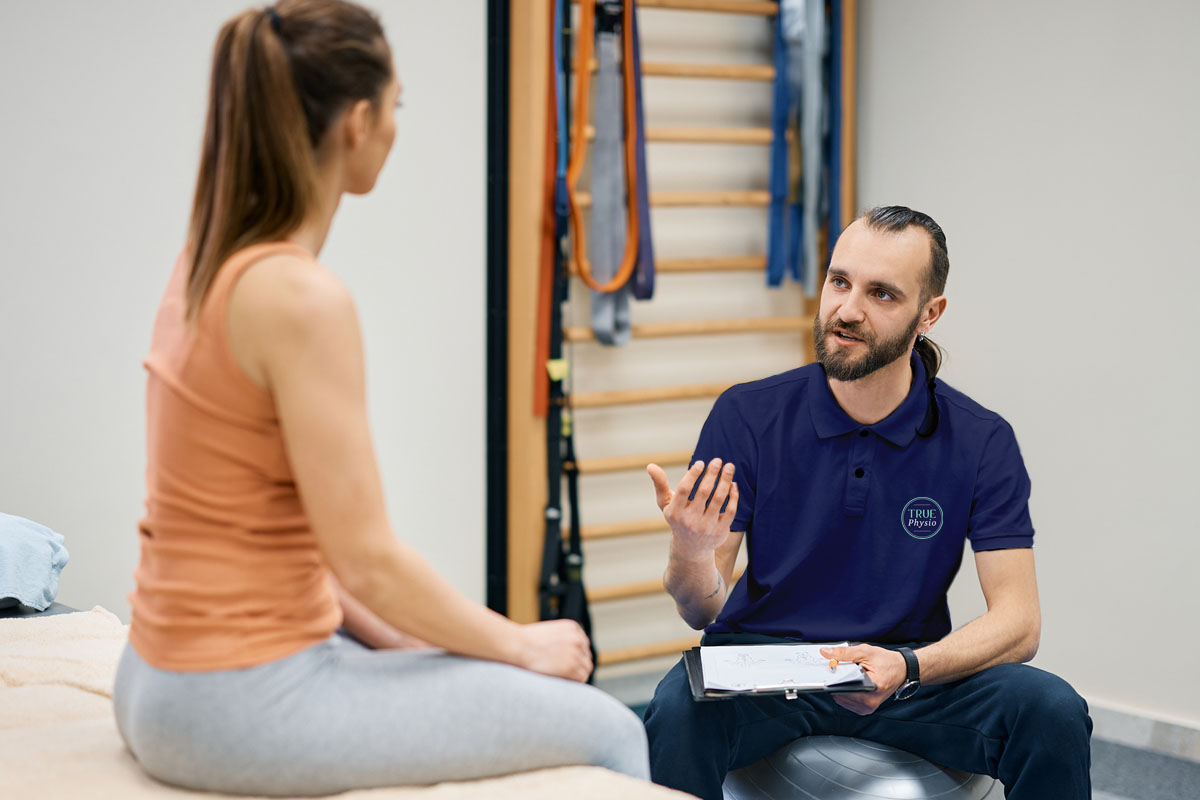
Rotator Cuff Tendinopathy
What is Rotator Cuff Tendinopathy?
Rotator cuff tendinopathy is a common cause of shoulder pain. Sometimes referred to as tendonitis, this issue affects the tendons that help lift, rotate and stabilise your arm. The condition usually develops gradually through repeated strain or overload rather than a single injury.
Pain is often felt when reaching overhead, lifting objects, fastening clothing or lying on the affected side. Night pain is common and can disrupt sleep. Over time, the shoulder may feel weaker or more restricted, making everyday tasks frustrating.
If you are looking to find out how to treat shoulder pain that has built up slowly, understanding what is happening within the tendon is the first step
Book Now
How Rotator Cuff Tendinopathy is Treated
Treatment focuses on settling irritation within the tendon while gradually rebuilding strength and control in the shoulder.
Physiotherapy aims to reduce pain and improve how the shoulder moves so the tendon can tolerate load again. This is done through a structured rehabilitation plan tailored to your current symptoms and activity levels.
Treatment may include hands-on therapy alongside guided strengthening exercises that are progressed carefully. Exercises are introduced at a level that feels manageable and are built up gradually to improve resilience without aggravating symptoms.
Advice around sleep position, lifting technique and activity levels also plays an important role. Shoulder pain can make even simple movements feel uncertain, so rehabilitation is adjusted to move at a pace that feels safe and sustainable.
In longer-standing cases, shockwave therapy may be considered to support tendon recovery. As strength improves, many people notice reduced night pain, easier overhead movement and greater confidence using the shoulder.

Why Choose True Physio?
Shoulder pain can be frustrating because it often lingers and flares without warning. Rotator cuff tendinopathy requires careful progression rather than aggressive treatment. Moving too quickly can aggravate symptoms, while doing too little can delay recovery.
At True Physio, treatment is built around precise load management. Your physiotherapist will help you understand what your shoulder can tolerate now and how to build that capacity safely. Rehabilitation focuses on restoring strength, improving control and reducing irritation so you can return to daily activity, work or sport with confidence.
Where helpful, treatment may be supported by sports massage to reduce surrounding muscle tension or acupuncture treatment to assist with pain control. These approaches are used alongside structured rehabilitation, not instead of it.
Appointments may be covered by private medical insurance, and self-funding options are available. If you are unsure about the different ways to pay, our team can guide you before your first session. Just give your local clinic a call.
Book Now