Hallux Valgus Treatment
Hallux valgus, more commonly known as a bunion, is a bony bump at the base of the big toe that forms as the toe gradually angles in towards the other toes. It develops slowly over years and only surgery can straighten the toe, but physiotherapy can ease pain, strengthen the foot and keep you active. See a physio if the joint is painful, swollen or making shoes uncomfortable.
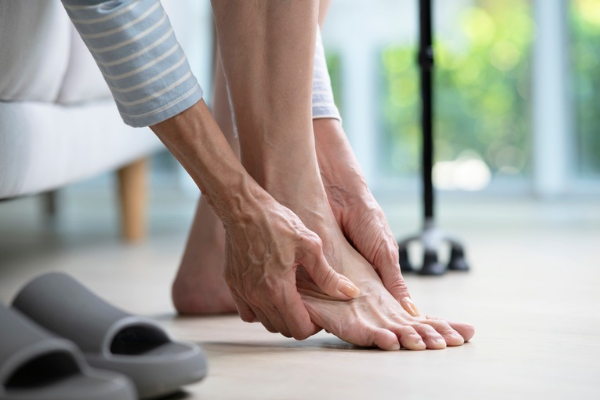
You might notice your favourite shoes starting to rub, or an ache in the ball of your foot after a long walk. Over time a bunion can change the way you walk, which may lead to problems elsewhere, such as heel pain from plantar fasciitis, or aches in the knee or hip.
Book in if pain in your big toe is affecting how far you can walk, which shoes you can wear or your usual exercise. Early treatment can slow progression and stop you compensating in ways that cause problems elsewhere.
Book Now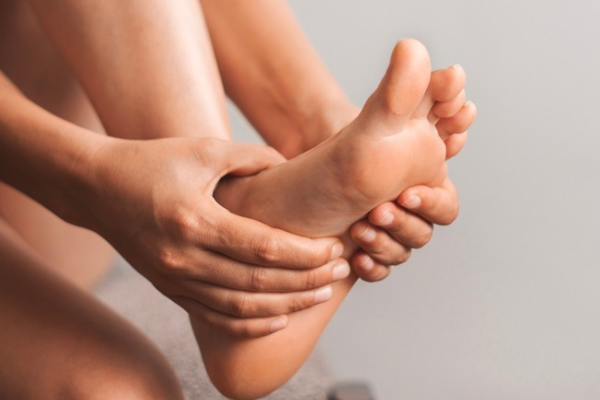
What causes Hallux Valgus and what are the symptoms?
Bunions often run in families, and foot shape plays a big part. Flat feet, loose ligaments and arthritis can all increase the strain on the big toe joint. Narrow or high-heeled shoes rarely cause the problem on their own, though they can speed it up and make it more painful. Women are affected more often than men.
Common symptoms include:
- A visible bump on the inside of the foot
- Pain, redness or swelling over the big toe joint
- Hard skin or corns where the toes rub or overlap
- Stiffness when bending the big toe
- Pain under the ball of the foot
How can physiotherapy help with hallux valgus?
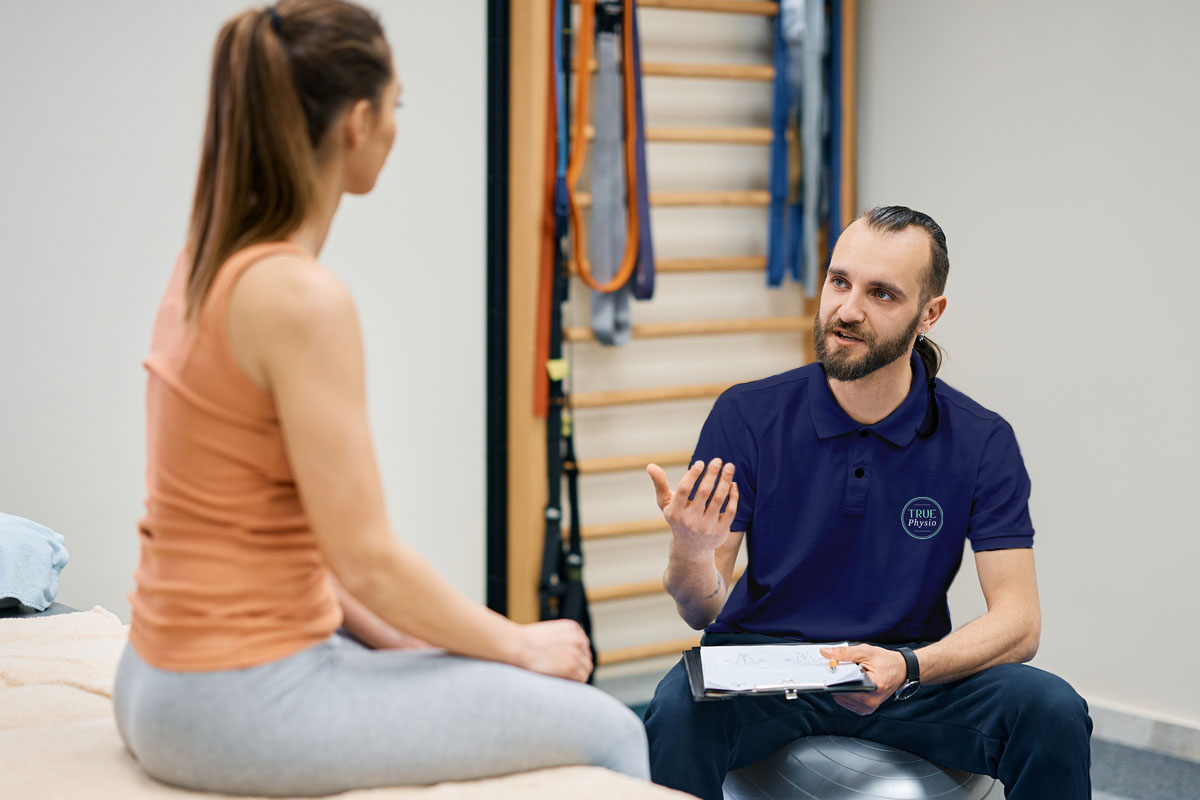
Your physio will assess your foot, walking pattern and footwear to understand what’s adding load to the joint. Physiotherapy then focuses on mobilising the big toe, strengthening the small muscles of the foot and improving balance so pressure spreads more evenly.
Massage therapy can relieve tension in the calf and foot muscles that tighten as your walking changes. We can also advise on footwear, toe spacers and insoles, and our podiatry team at selected clinics can help too. If you’re active, sports therapy helps you keep running, walking or playing sport with less pain. Physio is also valuable before and after bunion surgery to restore movement and confidence.
Why Choose True Physio?
Expert Physiotherapy Team
All of our Physiotherapists are registered with the Health and Care Professions Council (HCPC), which means that they fulfil the highest standards of practice required by law. They are also a part of the Chartered Society of Physiotherapy (CSP), demonstrating our commitment to delivering outstanding expertise.
Initial Assessment
At your initial assessment at True Physio, we will find out where your pain comes from and what your goal is before forming a plan to help you achieve that. Our clinicians will take the time to understand your condition, do a detailed assessment, and explain to you the nature of the problem you have. Treatment plans are created with your lifestyle in mind.
Book your appointment now or contact your nearest True Physio clinic to discuss your bunion pain.
Frequently Asked Questions
Can physio fix a bunion?
Physiotherapy can’t straighten the toe, but it can ease pain, improve big toe movement and strengthen the foot. Many people find they can walk further and wear more shoes comfortably.
Do toe spacers help with bunions?
Toe spacers can ease rubbing and feel more comfortable, especially at home. They work best alongside foot strengthening and sensible footwear rather than on their own.
Will I need surgery for hallux valgus?
Most people manage well without surgery. An operation is usually considered only when pain stays severe despite treatment, and physio before and after surgery helps recovery.